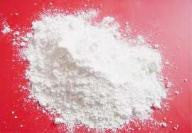
Aluminium Hydroxide - Hydrated Alumina - Ceramics, Pottery, Flame retardant
ALUMINIUM HYDROXIDE
TECHNICAL GRADE
- Formula: Al(OH)3
- UN No. N/R
- CAS No. 21645-51-2
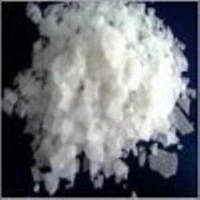
- Appearance: white powder
- % purity:
- Other names:Aluminium(3+) trioxidanide, Aluminic acid, Aluminic hydroxide, Aluminium(III) hydroxide, Aluminum hydroxide,Hydrated alumina, Orthoaluminic acid
- Molecular formula: Al2O3.3H2O
- Molar mass: 78 g/mol
- Density: 2.42 g/cm3
- Melting point: 300 C
Uses For Aluminium Hydroxide
- For the manufacture of aluminium and aluminium compounds
- As a fire retardant
- Ceramics and pottery
In ceramics it is used primarily to promote 'stiffness' of glazes (6-10% of silica content). Increasing firing temperature and resistance to chemical attack. In larger quantities (15% of glaze) however, produces opaque and matt effects. Also used on kiln shelves as protection against glaze sticking.
Click here to view Specification Sheet
PLEASE NOTE: This product is not for human or animal consumption.
Original: $13.41
-65%$13.41
$4.69Product Information
Product Information
Shipping & Returns
Shipping & Returns
Description
ALUMINIUM HYDROXIDE
TECHNICAL GRADE
- Formula: Al(OH)3
- UN No. N/R
- CAS No. 21645-51-2
- Appearance: white powder
- % purity:
- Other names:Aluminium(3+) trioxidanide, Aluminic acid, Aluminic hydroxide, Aluminium(III) hydroxide, Aluminum hydroxide,Hydrated alumina, Orthoaluminic acid
- Molecular formula: Al2O3.3H2O
- Molar mass: 78 g/mol
- Density: 2.42 g/cm3
- Melting point: 300 C
Uses For Aluminium Hydroxide
- For the manufacture of aluminium and aluminium compounds
- As a fire retardant
- Ceramics and pottery
In ceramics it is used primarily to promote 'stiffness' of glazes (6-10% of silica content). Increasing firing temperature and resistance to chemical attack. In larger quantities (15% of glaze) however, produces opaque and matt effects. Also used on kiln shelves as protection against glaze sticking.
Click here to view Specification Sheet
PLEASE NOTE: This product is not for human or animal consumption.